Searching for an SS star ring for building projects where dependable performance, clean finishing, and long service life matter? This page explains what an SS star ring is, why stainless steel is preferred for many building environments, and how these rings support consistent movement, controlled clearance, and stable assembly operation. From modern commercial infrastructure to large-scale industrial buildings, the right star ring selection helps reduce unwanted leakage, improve stability in rotating assemblies, and support smoother operation in systems connected with dust control, pneumatic movement, and material handling.
Description
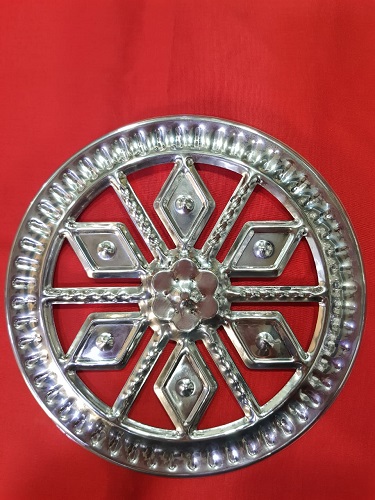
An SS star ring is a precision-engineered ring component used in rotating or feeder-style assemblies where controlled sealing and dimensional stability are required. In building-related environments, it is commonly chosen for its corrosion resistance, strength, and reliable performance in dusty and continuous-duty conditions. When properly selected, the ring helps maintain consistent clearance, supports stable flow behavior in connected systems, and reduces bypass that can affect efficiency. This page covers selection inputs, building-use scenarios, and practical checklist points so procurement teams, contractors, and maintenance teams can source the correct star ring with confidence.
Supplier Support & Building Application Benefits
Supplier Support
How a capable supplier supports building projects
Selection help using assembly type, bore, rotor size, and clearance targets
Grade guidance for corrosion exposure, moisture risk, and cleaning needs
Dimensional confirmation using drawings, samples, or existing equipment details
Quality checks and inspection notes for consistent fit and edge condition
Packing support to prevent dents, distortion, and handling damage during dispatch
Coordination for project timelines, shutdown spares, and multi-site deliveries
Benefits
Why SS star rings are used in building environments
Helps reduce bypass and supports stable sealing in rotating assemblies
Corrosion resistance supports long service life in harsh or humid areas
Improves consistency in connected handling or dust control systems
Suitable for industrial, commercial, and infrastructure-linked installations
Key Highlights
4 Points
Stable fit for continuous duty
Supports reliable clearance and assembly performance
Accurate dimensions and controlled finish help maintain stable operation in building-linked installations and systems.
Material grade matched to site
Corrosion and environmental exposure considered
Stainless steel grade selection can be aligned with humidity, dust, cleaning cycles, and exposure conditions.
Replacement-friendly sourcing
Useful for retrofit and maintenance cycles
Suppliers can match rings using drawings, samples, photos, and existing assembly details for quick replacement.
Project-aligned dispatch planning
Building project coordination improves documentation, packing, and delivery alignment for multiple sites and timelines.
Building Use Cases and Typical Scenarios
SS star rings are often selected for building-linked installations that involve dust collection, pneumatic movement, or controlled feeding systems connected to industrial building operations. In construction and infrastructure environments, dust and continuous operation can impact sealing performance and assembly efficiency. Choosing the correct ring profile and stainless grade supports stable operation and helps reduce bypass, which can affect system performance over time. For maintenance teams, keeping spare rings ready can reduce downtime during planned shutdowns and improve overall equipment reliability.
Supplier Sourcing Checklist
Before ordering, confirm the equipment or assembly type, operating conditions, dust exposure level, temperature range, and duty cycle expectations. Validate ring ID, OD, thickness, and any grooves or mating surfaces used in the assembly. Share site conditions such as humidity, exposure risk, and cleaning practices to support correct stainless steel grade selection. Ensure packing is robust to protect edges and geometry during transit. For project deadlines or maintenance shutdowns, communicate urgency and delivery location details early for smoother coordination.
How to Select the Right SS Star Ring for Building Applications
Practical points that improve fit, sealing, and long-term reliability
Selection Inputs
Confirm assembly type and mating component details to avoid fit mismatch.
Share dust level and media characteristics if connected to material movement systems.
Define operating conditions including speed, temperature, and pressure or vacuum range.
Select stainless grade based on corrosion exposure and cleaning practices at the site.
Ordering Tips
Request dimensional confirmation and tolerances for consistent sealing performance.
For replacements, share sample photos or existing drawings for faster matching.
Maintain one spare set for critical systems to reduce downtime in building operations.
Ask for safe packing to prevent edge impacts and deformation during transport.
Note
SS star ring requirements can vary by assembly design, operating environment, and site conditions. For the best outcome, confirm dimensions, clearance needs, and stainless grade suitability before procurement. Maintaining records of prior ring sizes and performance notes can speed up future maintenance cycles and help standardize sourcing across building sites.
FAQs
Common questions about SS star rings for building applications
It is used in rotating or feeder-style assemblies to support stable sealing and controlled clearance, helping reduce bypass and maintain consistent system performance in dusty or continuous-duty settings.
Share assembly type or model, dimensions such as ID, OD, thickness, operating speed, dust exposure level, temperature range, and any pressure or vacuum conditions relevant to the connected system.
Stainless steel offers corrosion resistance and stable performance in dusty or humid environments, which supports longer service life and consistent operation in building-linked installations.
Yes. Suppliers commonly match by drawing, sample, photos, or existing assembly details and confirm fit to support smooth replacement cycles for maintenance and project teams.
Verify dimensions, edge condition, deformation, and surface finish. Confirm mating fit before installation and store properly to prevent dents and geometry changes prior to use.
Conclusion
An SS star ring for building applications supports stable sealing, consistent clearance, and dependable operation across dusty and continuous-duty environments. By confirming dimensions, selecting the right stainless grade, and sourcing with proper documentation and packing, building project teams can improve reliability and reduce maintenance disruptions. Share your site conditions and assembly details early to ensure the ring matches performance expectations and supports long-term service life.
Nipa Agencies — Contact
Authorised supply, documentation, and site support
Nipa Agencies
No. 18, Fortune Industrial Estate, Nr. Gangotri Estate, Opp. Panchratna Estate,
Ramol-Vatva Road, Vatva GIDC, Vatva, Ahmedabad-382449, Gujarat, India